
English| EUR
Suggested for you
More currencies
Choose a language
Ghent's food scene reflects centuries of Flemish tradition, from slow-braised stews to delicate fish preparations. This guide identifies the essential Belgian specialties you should look for when dining in the city, explaining what makes each dish regional and where it fits into local eating culture.
Quick answer
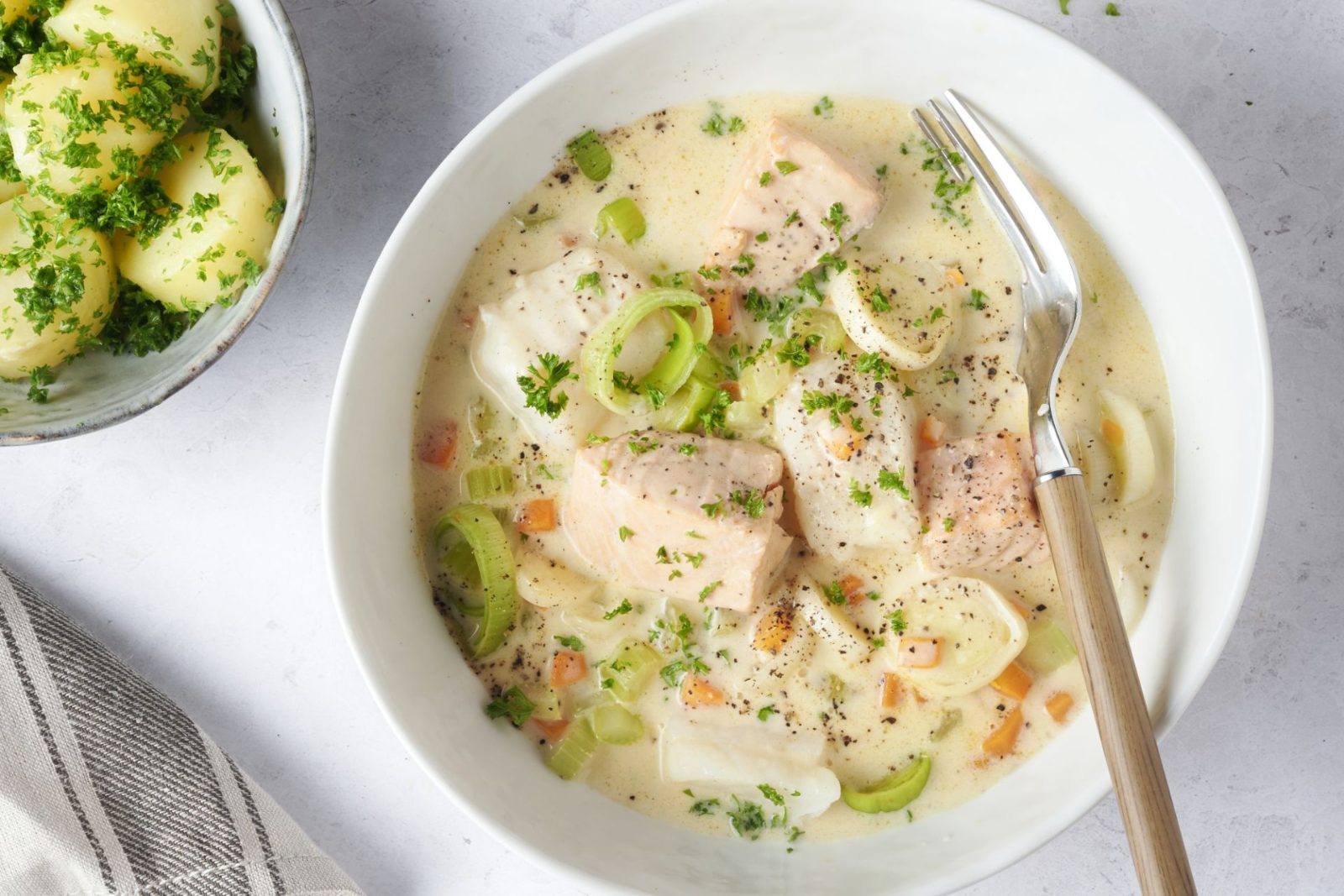
Food to eat in Ghent centers on traditional Flemish dishes: waterzooi, a creamy chicken or fish stew; Gentse stoverij, beef braised in brown ale; and stoofvlees met frieten, slow-cooked meat with hand-cut fries. The city also claims cuberdon, a cone-shaped raspberry candy, and Tierenteyn mustard. Most establishments serve these specialties daily, with lunch and dinner service running from 12:00 through 20:00 at traditional eateries.
Ghent produces more vegetarian dishes per capita than any other Belgian city, yet its culinary reputation rests on preparations that predate the meatless movement by four hundred years. The food to eat in Ghent is rooted in guild-era recipes, tavern cooking, and the agricultural output of the Leie and Scheldt river valleys. Understanding what to order requires recognizing the difference between pan-Flemish standards and dishes the city considers its own. Waterzooi originated in Ghent as a fisherman's stew thickened with bread and egg yolk. The modern version uses chicken or freshwater fish, cream, and root vegetables, served in a shallow bowl with boiled potatoes. Gentse stoverij distinguishes itself from other Flemish carbonades by its use of Ghent brown ale and a higher ratio of onions to meat, resulting in a darker, more acidic braise. Cuberdon, the purple candy cone sold from market stalls, cannot be replicated outside the city because its liquid raspberry center crystallizes within days of production. Restaurant menus in Ghent divide into two operational models: traditional Flemish taverns that rotate a fixed repertoire of regional dishes, and contemporary kitchens that reinterpret those same ingredients under the banner of Ghent's vegetarian heritage. Both models respect seasonality. Asparagus appears in May, mussels in September, and chicory through the winter months. The city's dining culture does not favor multi-course tasting menus; most meals consist of a single substantial plate, a local beer, and coffee. Ghent food traditions also include jenever, the juniper spirit served ice-cold in small glasses, and mattentaarten, sweet cheese tarts sold in bakeries near Sint-Jacobs. These items do not appear on every menu but remain available to anyone who asks. The food to eat in Ghent is not hidden behind innovation or reinvention—it persists because the city continues to order it, cook it, and defend its preparation methods against shortcuts.
“Waterzooi originated in Ghent as a fisherman's stew thickened with bread and egg yolk, a technique that predates modern cream-based versions by centuries.”
The best arrival window for culinary exploration is 12:00–20:00, which aligns with standard lunch and dinner services. Arriving during this period ensures access to the full spectrum of local restaurants and minimizes the risk of encountering mid-afternoon kitchen closures.
Mild, 10°C to 18°C. This period offers pleasant temperatures for walking between dining establishments.
Warm, 15°C to 23°C. Popular terraces are busy and outdoor dining is favored during these months.
Cool, 9°C to 17°C. Local food culture shifts toward indoor venues as temperatures decline.
—
Visiting between 12:00 and 17:00 on weekdays allows for easier seating at popular eateries before the evening rush.
Verdict: The optimal time for a food-focused visit is Tuesday to Thursday between 12:00 and 20:00 during the months of April or October.
Establishments across Ghent maintain consistent operations throughout the week, ensuring visitors can access local food specialties at any time. Dining services are available daily.
There is no entrance fee for the city of Ghent, as food and dining experiences are individually priced at various establishments throughout the region. Visitors should plan their budget based on their personal selection of restaurants, cafes, and street food vendors.
Verdict: A typical adult pays only for the individual food items they choose to consume at local establishments.
Navigating Ghent’s culinary landscape requires understanding local customs that ensure a smooth dining experience.
Book tables in advance for popular spots, especially on weekends, as many local restaurants have limited seating. Use online reservation systems provided on official websites to secure your place without needing to call.
Service is already included in the bill, so tipping is not mandatory in Belgium. If you receive exceptional service, rounding up the total or leaving five to ten percent is appreciated but strictly optional.
Look for establishments that highlight seasonal, local ingredients like Ghent mustard or waterzooi on their menus. Authentic venues often provide smaller, focused menus rather than long, varied lists of international dishes.
Tap water is safe and of high quality, though it is not standard practice to serve free carafes in restaurants. Expect to pay for bottled still or sparkling water when dining out.
Many restaurants shift their focus between lunch and dinner service, often offering lighter menus during the day. Verify whether your chosen establishment serves full hot meals during the mid-afternoon transition period.
Everything you need to know about food to eat in ghent
When considering the food to eat in Ghent, focus on local specialties like waterzooi, cuberdon sweets, and artisan chocolates. These dishes reflect the rich culinary heritage of the region.
The best arrival window for your visit is 12:00–20:00, which aligns with lunch and dinner service at most local restaurants. Planning your meals during these hours ensures access to fresh ingredients and standard kitchen operations.
There is an entrance fee of 0 EUR for visiting the city. Keep in mind that food and dining experiences are individually priced at various establishments throughout your stay.
Yes, the city is very welcoming to families looking for traditional treats. Many eateries offer kid-friendly versions of classic meals, making it easy to find good food to eat in Ghent with children.
A common mistake is assuming all restaurants operate on a standard schedule throughout the day. It is helpful to check the specific opening times of your preferred venues to ensure you find the authentic food to eat in Ghent that you desire.
To explore authentic flavors, visit the official site at https://visit.gent.be/en/eat-drink for a curated list of recommendations. Engaging with local guides or joining a walking tour can also provide deeper insights into the regional gastronomy.